

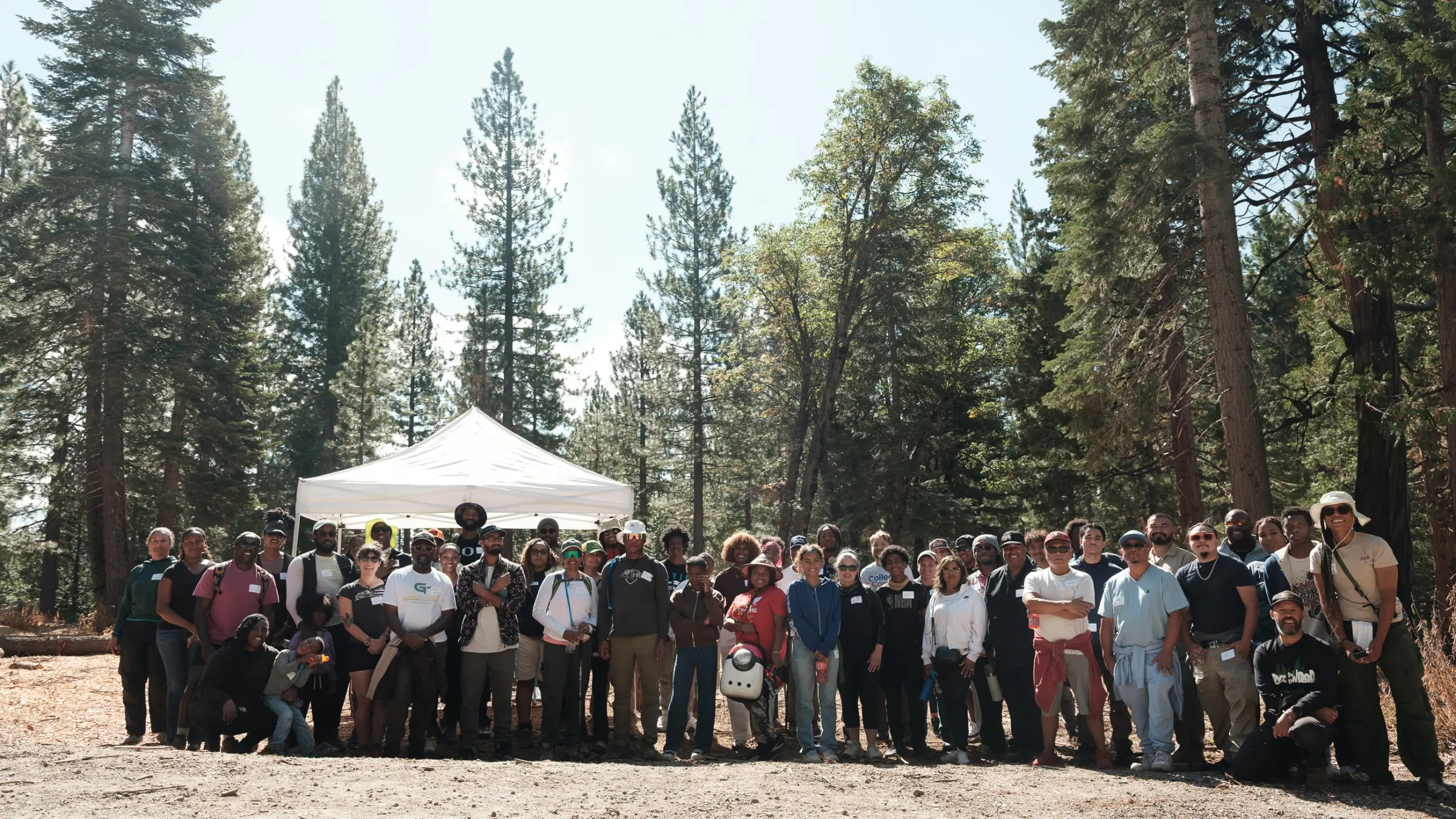
The Outdoor Inclusion Movement Is Changing—And Its Future Is Bigger Than Ever
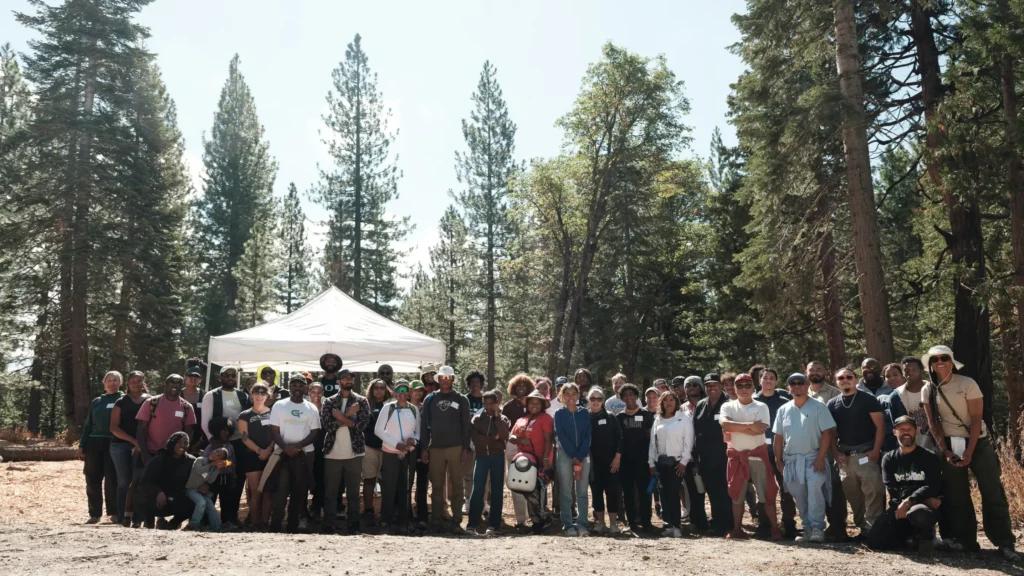
For years, conversations about diversity and inclusion in outdoor spaces often focused on one question: Who feels welcome outside?
Today, that conversation is evolving. Across the country, outdoor leaders, community groups, conservation organizations, and local clubs are moving beyond awareness campaigns and creating lasting change—building stronger communities while protecting the landscapes that bring people together.
The future of the outdoors is not just about opening the door. It is about rebuilding the entire experience so that more people can feel a genuine connection to nature.
A New Generation of Outdoor Communities
In recent years, organizations built around surfing, hiking, climbing, cycling, and conservation have challenged the traditional image of outdoor recreation. They are creating spaces where newcomers can learn skills, find support, and experience the outdoors without feeling like they need to fit an old stereotype.
For many people, outdoor activities were once viewed as exclusive spaces—places where access depended on money, experience, equipment, or cultural familiarity. New community-driven movements are working to change that by making outdoor experiences more welcoming and representative.
Surf groups, trail organizations, and conservation communities are showing that inclusion is not simply about increasing participation numbers. It is about creating a culture where people feel respected and connected.
From Awareness to Action
The next phase of outdoor inclusion is moving beyond conversations and toward long-term solutions.
Across the country, leaders are investing in programs that introduce young people to outdoor recreation, protect public lands, and build relationships between communities and natural spaces.
Land trusts and conservation groups are also becoming part of this movement. Protecting nature for future generations requires recognizing that access to healthy outdoor environments is an important part of community well-being.
The goal is not only preserving landscapes—it is ensuring that more people see themselves as part of those landscapes.
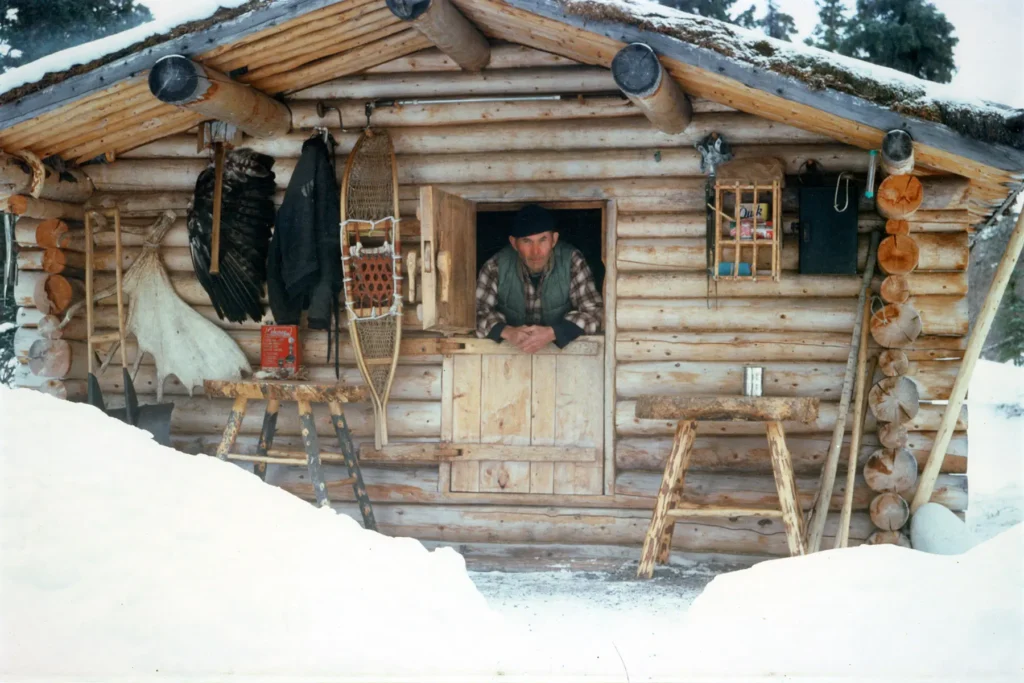
The Outdoors Belongs to Everyone
Outdoor culture has often been shaped by images of extreme athletes, wilderness experts, and lifelong adventurers. But the reality is much broader.
The outdoors can be a place for a first-time surfer learning their balance, a family taking their first hike, a runner discovering local trails, or someone simply finding peace in a quiet forest.
Nature does not require perfection or expertise. It only requires an opportunity to connect.
The future of outdoor recreation will likely be defined by communities that embrace different backgrounds, experiences, and reasons for being outside.
Protecting Nature Through Connection
Inclusion and conservation are closely connected. People are more likely to protect places where they feel a personal relationship.
When more communities become part of outdoor culture, conservation becomes a shared responsibility rather than the work of a small group of dedicated advocates.
The movement is not disappearing—it is becoming more practical, more community-focused, and more deeply connected to the future of public lands.
The next century of outdoor adventure will not only be measured by how many people explore nature, but by how many people feel that nature belongs to them.