

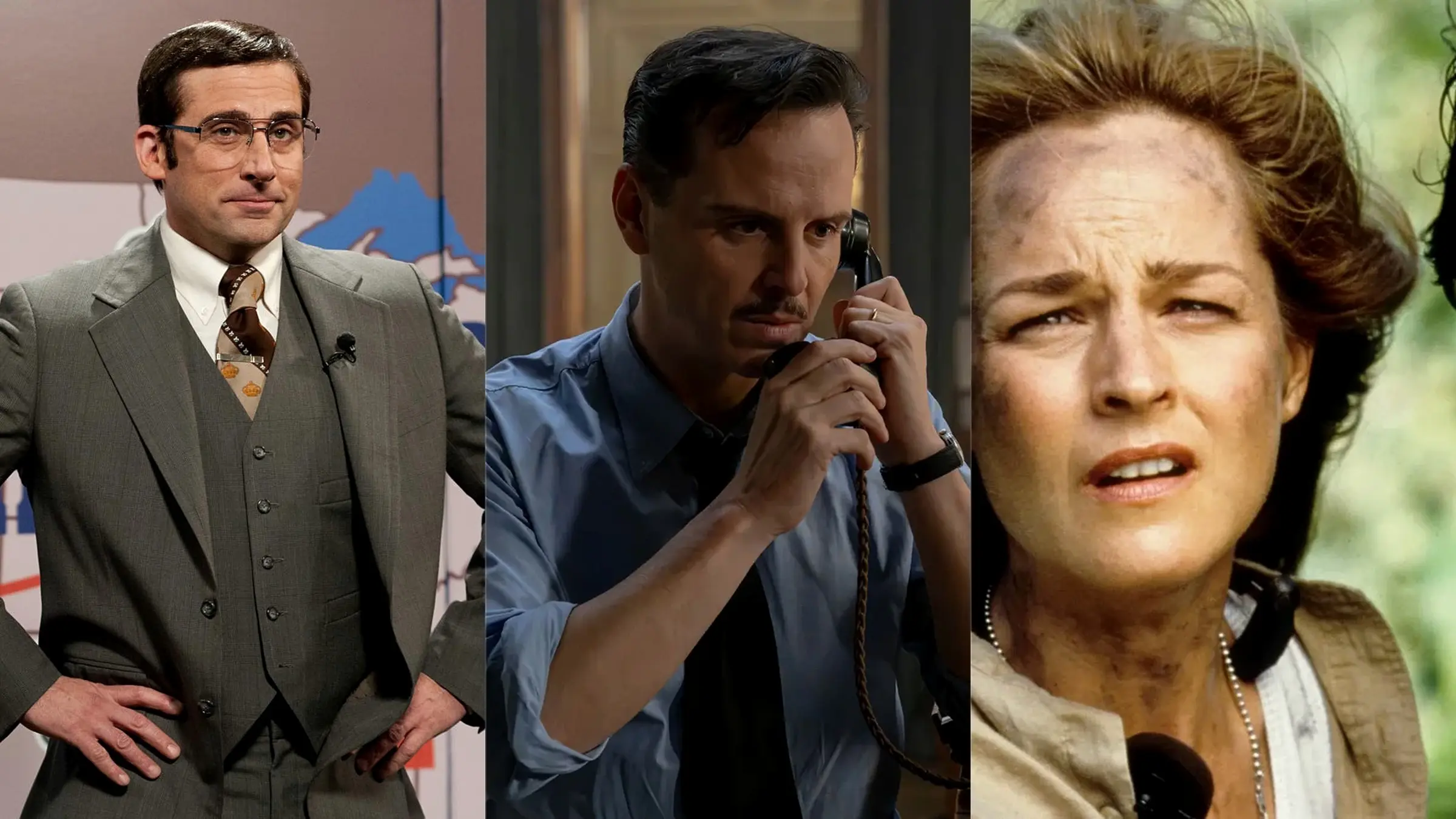
Hollywood Loves Storms, But It Still Doesn’t Understand the Science Behind Weather
Weather has always been one of Hollywood’s favorite forces of nature. It creates suspense, drives disasters, and turns ordinary moments into dramatic scenes. From massive tornadoes to unstoppable storms, weather often becomes the star of the story.
Yet there is one group that movies rarely treat with the same respect: the people who study it.
Meteorologists have long been portrayed on screen as either comic relief, nervous experts, or mysterious figures who somehow “feel” what the atmosphere is about to do. But behind every accurate forecast is a complex combination of science, technology, and years of research.
In an era defined by climate change and increasingly unpredictable weather patterns, understanding the science behind forecasts has never been more important.
The Weather Forecast That Changed History
During the spring of 1944, Allied forces were preparing for one of the largest military operations in history: the invasion of Normandy.
Hundreds of thousands of soldiers, thousands of ships, and countless aircraft were ready for action—but one critical decision depended on something beyond military control: the weather.
The timing of the operation relied heavily on the work of British meteorologist James Stagg, whose forecasts helped determine when conditions would be suitable for the invasion.
The success of the mission was not decided only by generals and political leaders. It also depended on someone studying clouds, winds, pressure systems, and changing conditions across the Atlantic.
The story is now explored in the film Pressure, which highlights the tension between military decision-makers and the meteorologist responsible for predicting nature’s behavior.
Hollywood’s Complicated Relationship With Meteorologists
Movies often love weather but simplify the people who predict it.
Films about storms frequently focus on dramatic personalities rather than the scientific process behind forecasting. Meteorologists become characters who either save the day through instinct or make predictions that nobody believes until disaster arrives.
Real forecasting is far less dramatic—but far more impressive.
Modern meteorologists rely on satellites, computer models, atmospheric research, and massive amounts of data. Forecasting is not about guessing what the sky might do. It is about analyzing thousands of changing variables.
Why Weather Science Matters More Than Ever
The old Hollywood image of the weatherman as a background character feels increasingly outdated.
Extreme heat, stronger storms, flooding, and shifting weather patterns are affecting communities around the world. Accurate forecasts are not just useful—they can protect lives, guide emergency decisions, and help societies prepare for environmental challenges.
The work of meteorologists is a reminder that nature does not follow human schedules. Understanding it requires patience, evidence, and respect for science.
Beyond the Disaster Movie
Weather will always be one of Hollywood’s most powerful storytelling tools. Storms create conflict, danger, and unforgettable scenes.
But perhaps the next generation of films can move beyond the stereotype of the weather expert as a dramatic side character.
Behind every storm prediction is a story of discovery, technology, and human effort.
The atmosphere may be unpredictable, but the science behind understanding it is anything but simple.