

A Moment of Carelessness at the Grand Canyon Damaged a Priceless Piece of Hopi Heritage
Why protecting sacred places matters as much as exploring them
The Grand Canyon is more than a landscape. For thousands of years, it has been a place of cultural, spiritual, and historical importance for Indigenous communities who have deep connections to the land.
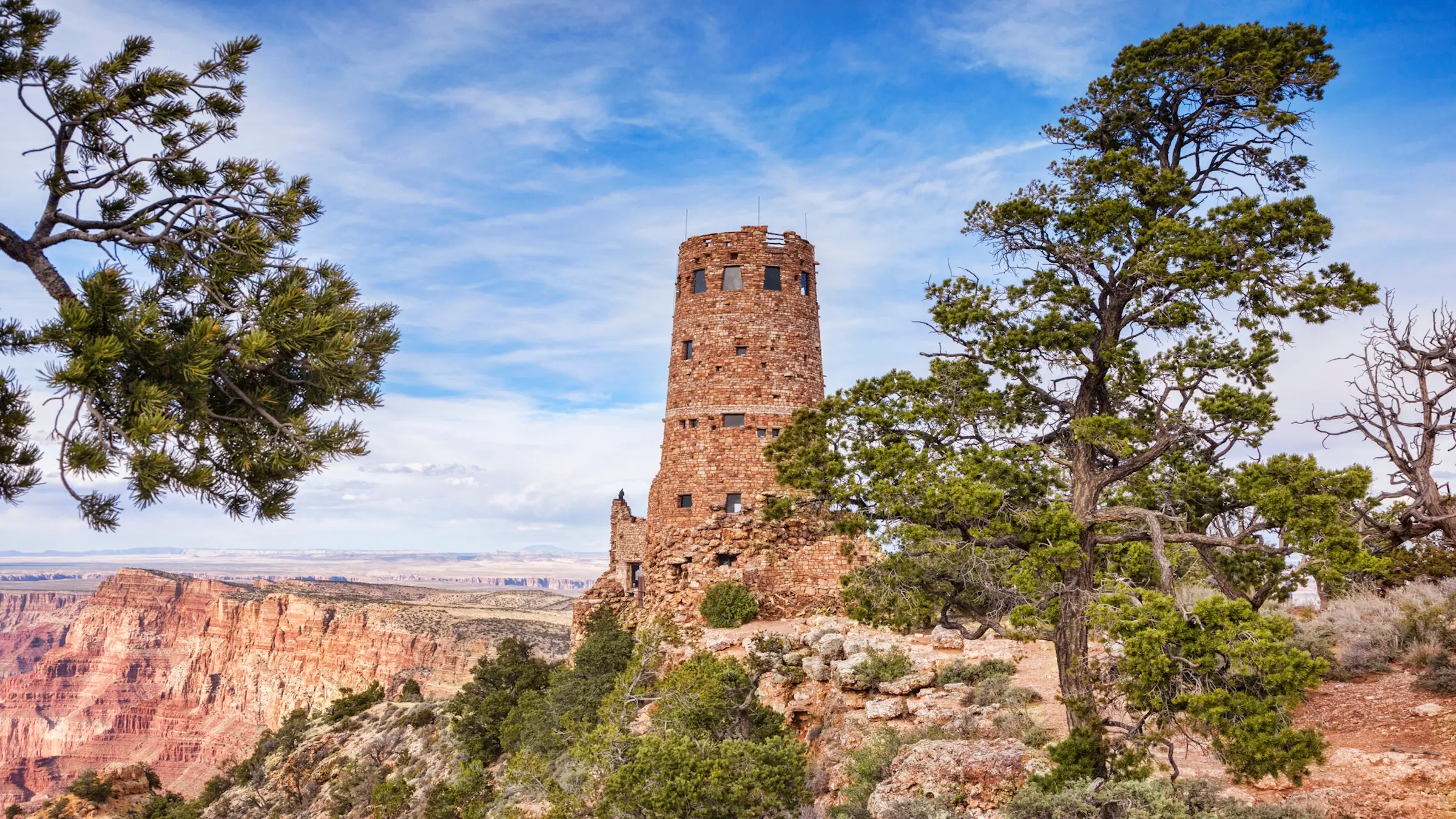
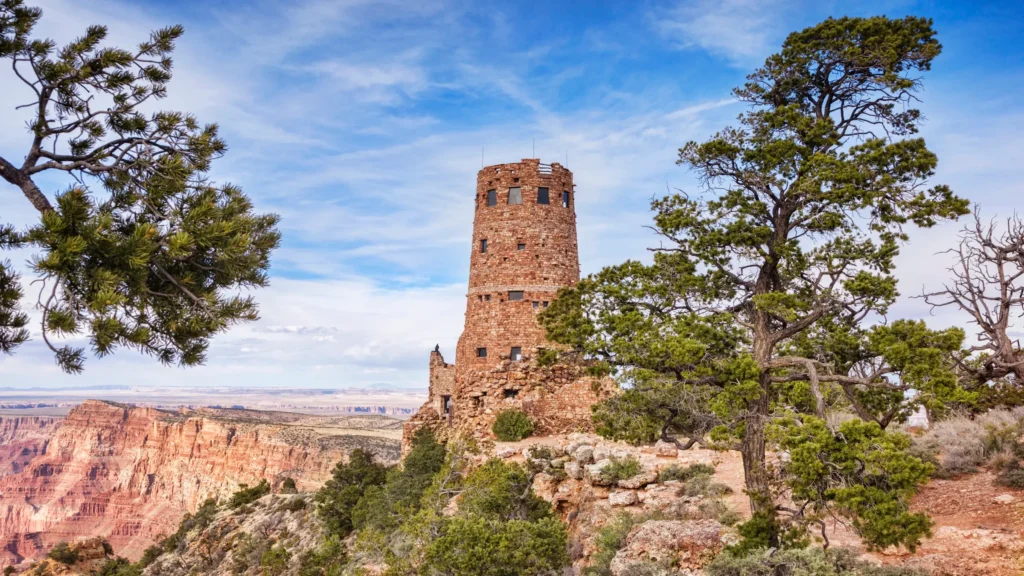
Recently, an unfortunate incident at the Desert View Watchtower reminded visitors that exploring remarkable places also comes with responsibility.
According to the National Park Service, a visitor damaged a historic Hopi artwork while attempting to take a photograph inside the iconic structure. The incident occurred when the individual climbed onto a historic chair, causing it to tip over and damage a nearby Hopi ceremonial headpiece.
The visitor left the area afterward, and park officials are seeking information to help identify the person involved
A Loss Beyond Physical Damage
The damaged artwork was not simply a decorative object.
Created by renowned Hopi artist Fred Kabotie in the early 20th century, the headpiece represented a connection to Hopi artistic traditions, cultural identity, and generations of craftsmanship.
For Indigenous communities, objects like this carry stories that extend far beyond their physical form. They represent history, knowledge, and relationships between people and place.
Once damaged, such cultural pieces cannot truly be replaced.
Visiting Sacred Places With Respect
National parks often attract millions of visitors each year searching for beauty, adventure, and unforgettable experiences.
But places like the Grand Canyon are not only destinations for photographs.
They are living landscapes with deep cultural meaning.
Every trail, structure, and artifact carries a story. Understanding that history allows visitors to experience these places in a more meaningful way.
Responsible adventure is not only about preparing for the environment, carrying the right equipment, or following trail rules.
It is also about respecting the communities, traditions, and histories connected to the places we explore.
The Future of Outdoor Exploration
As more people discover national parks and wilderness areas, protecting cultural heritage becomes increasingly important.
Adventure is built on curiosity — the desire to see new places and understand the world beyond our everyday lives.
But true exploration requires awareness.
The most memorable journeys are not defined only by the photos we take or the places we reach. They are defined by how we leave those places behind.
The Grand Canyon has inspired generations of explorers, artists, and storytellers.
Preserving its natural and cultural history ensures that future generations can experience not only its incredible views, but also the stories that make it truly unique.