

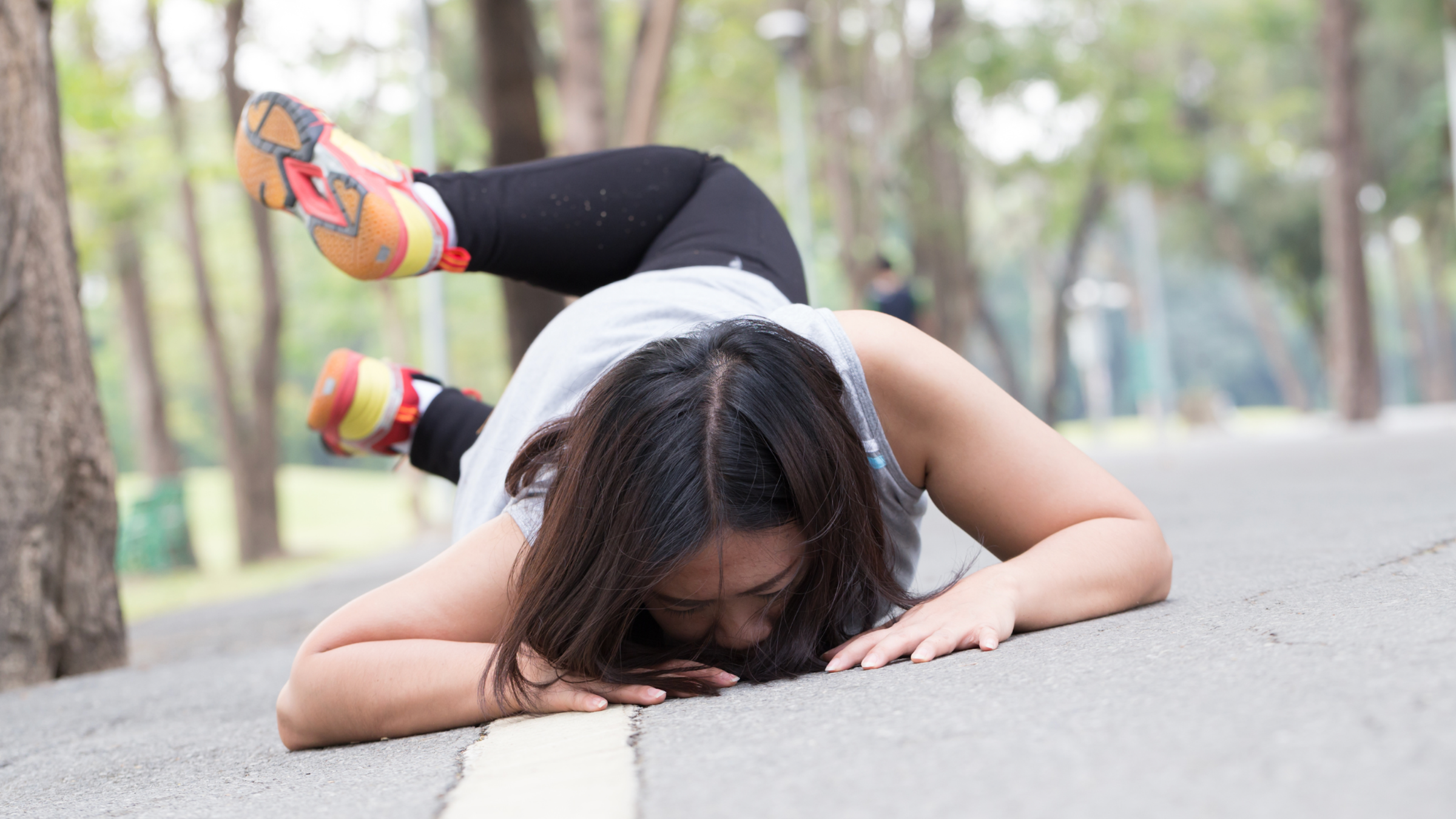
Stop Falling on Your Runs: How to Improve Balance, Recovery, and Running Confidence
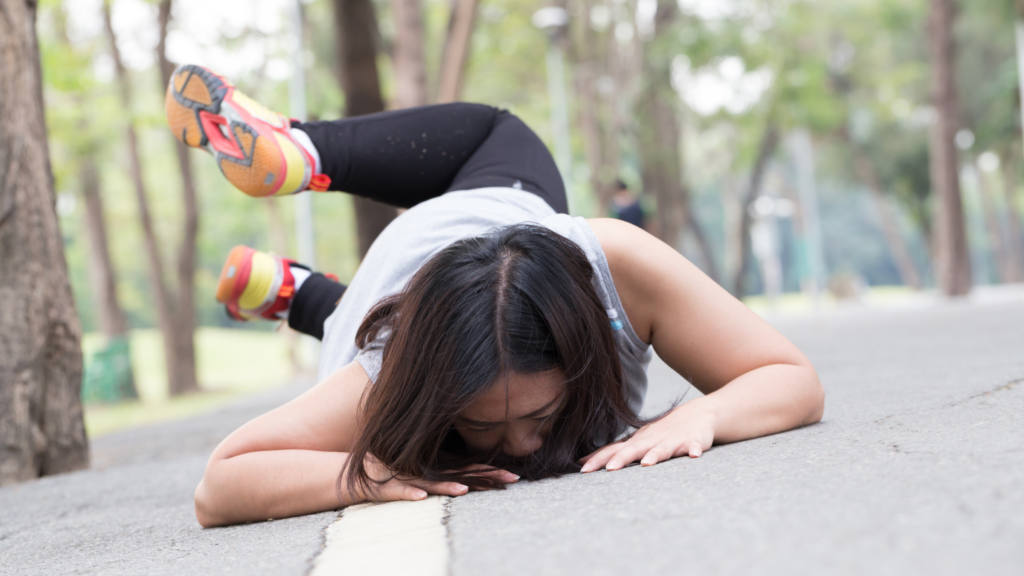
Simple techniques can help runners stay upright, recover faster, and move more safely outdoors
Every runner has experienced that unexpected moment.
A loose piece of pavement. A hidden branch on a trail. A small mistake in foot placement.
Suddenly, a normal run turns into a painful meeting with the ground.
For many runners, falling feels unavoidable. But experts say better balance, stronger coordination, and learning how to react during a fall can significantly reduce injuries and help runners feel more confident on any surface.

Learning How to Fall Better
Falling may seem like something the body should avoid completely, but some sports actually teach athletes how to fall safely.
Martial arts such as judo have long practiced controlled falling techniques. The goal is not to prevent every fall, but to reduce the impact when one happens.
One important lesson is to avoid becoming completely rigid.
When people panic during a fall, they often tense their muscles and extend their arms to stop themselves. This instinct can increase stress on wrists, elbows, and shoulders.
Instead, experts recommend staying relaxed, protecting the head, and allowing the body to absorb impact over a larger area.
Rolling with the movement rather than landing on one specific joint can help reduce the chance of injury.
What to Do After a Fall
The first moments after falling are often confusing. Adrenaline can hide pain and make injuries seem smaller than they are.
Before getting back up, runners should quickly check:
- Did you hit your head?
- Is there unusual pain in your neck or back?
- Can you move your arms and legs normally?
- Are you able to walk without changing your stride?
Head injuries, severe pain, or difficulty moving are signs that continuing the run may not be a good idea.
For minor falls, take a few minutes to assess your condition before deciding whether to continue.
Taking Care of Road Rash and Scrapes
For runners, one of the most common results of a fall is road rash—a friction injury caused by contact with pavement.
Cleaning the wound properly is important.
Removing dirt and debris helps reduce infection risk, while keeping the injury covered can support healing.
Many runners keep basic first-aid supplies available, especially if they regularly train on roads or trails.
A small accident does not have to become a long recovery period when handled correctly.
Knowing When to Run Again
Returning too quickly after a fall can turn a minor problem into a bigger injury.
A good sign that you may be ready to run again is:
- Pain remains mild
- Your normal walking pattern is unchanged
- Symptoms are improving instead of getting worse
If movement feels different or pain increases over time, it is better to give your body more recovery time.
Building Better Balance for Running
The best way to deal with falls is to reduce the chance of them happening.
Running is essentially a repeated single-leg movement. Every stride requires your body to adjust to changing surfaces, uneven ground, and unexpected obstacles.
Improving balance and stability can make those adjustments easier.
Simple habits also matter.
Looking ahead instead of constantly watching your feet helps your body react naturally to the environment. For runners who train early in the morning or after sunset, proper lighting can make a major difference.
Exercises That Improve Stability
Single-Leg Balance Training
Standing on one leg while performing controlled movements challenges your balance system and strengthens stabilizing muscles.
Try:
- Standing on one foot
- Keeping a slight bend in your knee
- Passing a lightweight object from hand to hand
- Maintaining a stable posture
Repeat on both sides.
Core Stability Exercises
A strong core helps runners maintain control when the body encounters uneven surfaces.
Exercises performed on unstable surfaces can challenge balance and improve body awareness.
Wood Chop Movement
This full-body exercise develops coordination between the upper and lower body.
Using a resistance band, cable machine, or lightweight equipment, practice controlled rotational movements while keeping your posture stable.
Becoming a More Confident Runner
Falling is part of outdoor movement, but it does not have to define your running experience.
Better balance, smarter preparation, and knowing how to respond when things go wrong can help runners stay active longer.
The goal is not to eliminate every mistake.
It is to become the kind of runner who can recover, adjust, and keep moving forward.